Showing posts with label home selling. Show all posts

Wednesday, September 27, 2023

Navigating the sale of a home during a divorce

Jenn Gregory REALTOR

Divorce often necessitates the sale of a shared home. Here are some considerations and steps to keep in mind when selling a home during a divorce:

Communication and agreement: It's crucial to establish open and honest communication with your spouse regarding the sale of the home. Try to reach an agreement on important decisions, such as the listing price, real estate agent selection, and division of proceeds.

Legal advice: Seek guidance from a divorce attorney who specializes in real estate matters. They can provide legal advice and help navigate the complexities of selling a home during a divorce. They can also assist in reviewing any existing agreements, such as a prenuptial agreement or separation agreement, that may impact the home sale process.

Property valuation: Determine the market value of the home by hiring an appraiser or consulting with a real estate agent. A professional valuation can help establish a fair listing price and provide an objective basis for negotiations.

Choose a real estate agent: Select a real estate agent experienced in handling divorce-related home sales. Look for someone who is knowledgeable about your local market and can provide guidance on pricing, marketing, and managing the sale process while being sensitive to the unique dynamics of a divorce situation.

Division of proceeds: Consult with your attorney to determine how the proceeds from the home sale will be divided between you and your spouse. The division may depend on various factors, such as your divorce agreement, state laws, and individual circumstances.

Prepare the home for sale: Get the home ready for sale by decluttering, depersonalizing, and making any necessary repairs or improvements. Consider staging the home to enhance its appeal to potential buyers.

Listing and marketing: Work with your real estate agent to create a comprehensive marketing strategy. This may include professional photography, online listings, open houses, and targeted advertising to attract potential buyers.

Negotiation and closing: When offers are received, work with your real estate agent and attorney to negotiate terms that align with your divorce agreement. Once an acceptable offer is accepted, move forward with the closing process, which typically involves inspections, appraisals, and the transfer of ownership.

Distribution of proceeds: Upon closing, the proceeds from the sale will be disbursed according to the agreed-upon terms. This may involve paying off any existing mortgage or liens, covering selling costs, and dividing the remaining proceeds between you and your spouse.

Navigating the sale of a home during a divorce can be emotionally and legally complex. It's crucial to have a strong support network, including a divorce attorney and a trusted real estate professional, to guide you through the process and protect your interests.

Wednesday, September 20, 2023

All Manufactured home communities are not the same.

Jenn Gregory

Southwest Florida offers a range of manufactured home options, including co-ops, lot leases, and owning land. Let's explore each option in more detail:

A) Lot Lease:

Many manufactured home communities in Southwest Florida operate on a lot lease model. In this arrangement, residents own their manufactured homes but lease the land on which their homes are situated. The lease agreement typically includes terms and conditions regarding rent, lease duration, and community rules. Lot lease communities often provide amenities and services, such as maintenance, landscaping, and community activities.

In a Lot Lease situation, there is no "real estate" owned and no real estate tax bill.  There is no option to finance through a mortgage.  The home is considered personal property.  It cannot be sold with the help of a REALTOR.  It must be treated as personal property such as a used RV or car.

B) Own Land:

Another option is to purchase land in Southwest Florida and place your manufactured home on it. Owning land offers greater independence and control over your living environment. You have the flexibility to customize your property, including landscaping and improvements, according to your preferences. This option provides a more traditional homeownership experience, and you may have the opportunity to join a homeowners association (HOA) to access shared amenities and participate in community activities.

C) Co-ops:

Cooperative housing communities are prevalent in Southwest Florida and provide an attractive option for manufactured home living. In a co-op, residents collectively own shares in the cooperative corporation, which owns the land and infrastructure. Each resident has the right to occupy a specific unit or lot within the community. Co-ops often offer shared amenities, such as clubhouses, pools, and recreational facilities, fostering a sense of community and shared responsibility among residents.

When considering these options, it's essential to evaluate factors such as location, community amenities, maintenance responsibilities, costs, and the specific rules and regulations of each community. You may want to consult with a real estate professional or manufactured home specialist who can guide you through the process and help you find the option that best suits your needs and preferences.

Southwest Florida offers a vibrant and diverse range of manufactured home options, ensuring that you can find the perfect housing solution for your lifestyle and budget. Whether you choose a co-op, lot lease, or owning land, each option provides unique benefits and opportunities to enjoy the beautiful surroundings and amenities that this region has to offer.

Wednesday, September 13, 2023

The pros and cons of selling a fully furnished home.

Jenn Gregory


Selling a home furnished can have both advantages and disadvantages. Let's explore the pros and cons of selling your home furnished:

Pros:
  • Increased appeal to buyers: Furnishing your home can help potential buyers envision themselves living in the space. A well-staged home can create an emotional connection and make the property more attractive, potentially leading to a quicker sale.
  • Convenience for buyers: Selling a home fully furnished can be appealing to buyers who prefer a move-in ready option. They won't have to worry about purchasing or arranging furniture, which can be especially enticing for individuals relocating from out of town or downsizing.
  • Higher perceived value: A professionally furnished home can create the perception of higher value. Buyers may be willing to pay a premium for a well-designed, fully furnished property, potentially increasing your sale price.
  • Competitive advantage: In a competitive market, offering a furnished home can set your property apart from others. It can make your listing stand out and attract more interest from potential buyers.
  • Potential tax benefits: In some cases, selling a home fully furnished may provide tax benefits. Consult with a tax professional to understand if you qualify for any deductions related to the sale of furnishings or staged items.


Cons:
  • Limited buyer pool: By selling your home furnished, you may limit your potential buyer pool. Some buyers may already have their own furniture or may prefer a blank canvas to personalize the space according to their taste.
  • Potential mismatched preferences: Furnishing your home according to your personal style may not align with the preferences of potential buyers. Their tastes may differ, and if the furnishings are not to their liking, it could hinder their interest in purchasing the property.
  • Higher costs and efforts: Fully furnishing a home can be a significant investment. You'll need to consider the cost of purchasing or renting furniture, as well as the time and effort required to stage the property and maintain the furnishings during the selling process.
  • Increased risk of damage or theft: When you have furnished items in your home for showings or open houses, there is an inherent risk of damage or theft. Accidents can happen, and valuable or sentimental items could be at risk.
  • Negotiation challenges: Buyers may try to negotiate a lower price if they believe the furnishings are not of high quality or don't align with their preferences. This can potentially impact your expected sale price and negotiation process.

Ultimately, the decision to sell your home furnished depends on various factors such as the local market conditions, target buyer demographic, your budget, and personal preferences. It's recommended to consult with a real estate agent who has experience in your area to assess whether selling your home furnished aligns with your specific goals and circumstances.

Wednesday, August 23, 2023

Real Estate and the Probate Process

Jenn Gregory MVP Realty

Real estate and the probate process are often interconnected when a property is part of an estate that goes through probate. Probate is the legal process by which a deceased person's assets, including real estate, are distributed to heirs and beneficiaries or resolved in accordance with their will or state laws if there is no will (intestate).

Here's how real estate is typically handled during the probate process:

Inventory and Appraisal: As part of the probate process, the executor or personal representative of the estate is responsible for creating an inventory of the deceased person's assets, which includes any real estate. This involves identifying and documenting the property and obtaining an appraisal or valuation to determine its worth.

Notification and Creditors' Claims: The executor must notify creditors and potential claimants about the probate proceedings. This provides an opportunity for creditors to file claims against the estate, including any outstanding mortgages, liens, or other debts related to the real estate.

Property Management: If the property is vacant or needs to be maintained during the probate process, the executor may be responsible for managing it. This can involve tasks such as securing the property, paying property taxes, insurance, and utilities, and addressing any necessary repairs or maintenance.

Sale of Real Estate: In some cases, the estate may need to sell the real estate to pay off debts, distribute assets, or fulfill the wishes outlined in the will. The executor or personal representative is typically authorized to sell the property on behalf of the estate. The sale process involves listing the property, negotiating offers, and obtaining court approval, if required.

Distribution of Real Estate: If the deceased person's will specifies how the real estate should be distributed, the executor will work to fulfill those instructions. This may involve transferring the property's title to the designated beneficiaries. However, if there is no will or the will does not address the real estate, state intestate laws will dictate how the property is distributed among the heirs.

Clearing Title: Part of the probate process involves ensuring that the title to the property is clear and free from any liens or other encumbrances. This may require resolving outstanding debts, paying off mortgages or liens, and obtaining a new title in the name of the new owner(s) if the property is transferred.

It's important to note that the probate process and real estate laws can vary by jurisdiction, so it's advisable to consult with an attorney or legal professional experienced in probate and real estate matters to ensure compliance with local regulations and navigate the complexities of the process effectively.

Wednesday, August 16, 2023

Why isn't your home selling?

Jenn Gregory MVP Realty

 There could be several reasons why a home is not selling. 

  • Pricing: One of the most significant factors affecting the sale of a home is its price. If the home is overpriced compared to similar properties in the area, potential buyers may be deterred. It's important to consider market conditions, comparable sales, and the home's condition when setting a realistic and competitive price.
  • Condition and Presentation: The overall condition of the home plays a crucial role in attracting buyers. If the property is in poor condition, outdated, or in need of significant repairs, it may struggle to sell. Additionally, the presentation of the home, including cleanliness, staging, and curb appeal, can greatly impact buyers' first impressions.
  • Marketing and Exposure: Insufficient marketing and exposure can limit the number of potential buyers who are aware of the property. Effective marketing strategies, including high-quality photographs, detailed property descriptions, online listings, and engaging in various marketing channels, are essential for reaching a broad audience of potential buyers.
  • Location: The location of the home can significantly influence its marketability. Factors such as proximity to amenities, schools, transportation, and the overall desirability of the neighborhood can impact buyer interest. If the location has limitations or is less desirable, it may take longer to sell.
  • Competition: The level of competition in the real estate market can affect a home's sale. If there are many similar properties available for sale in the area, buyers have more options to choose from, and your home may face increased competition. In such cases, it's important to differentiate your property through pricing, unique features, or staging to attract buyers.
  • Market Conditions: The state of the real estate market, including supply and demand dynamics, can impact the sale of a home. In a buyer's market with high inventory and few buyers, selling a home may take longer. Conversely, in a seller's market with limited inventory and high demand, homes tend to sell more quickly.
  • Agent's Effectiveness: The effectiveness and expertise of the listing agent can also influence the sale of a home. If the agent does not have a strong marketing plan, negotiation skills, or local market knowledge, it may hinder the selling process.

It's crucial to assess these factors and make necessary adjustments to increase the chances of selling your home. Consider consulting with a reputable real estate agent who can provide insights specific to your situation and help devise a tailored strategy to improve the saleability of your home.

Wednesday, July 5, 2023

How to sell a property held in a trust


Jenn Gregory Bonita Springs REALTOR

If you are looking to sell a property that is held in a trust, here are the general steps you need to follow:

Review the trust document: Before you can sell the property, you need to make sure that the trust allows for the sale of the property and that you have the authority to sell it. Review the trust document to ensure that the property is held in the trust and to identify any requirements or restrictions for selling it.

Obtain a trustee's deed: If you are the trustee, you will need to obtain a trustee's deed to transfer the property to the buyer. This document will provide evidence of your authority to sell the property on behalf of the trust.

Determine the property's value: You will need to determine the value of the property in order to set an asking price and negotiate with potential buyers. Consider hiring a professional appraiser or real estate agent to help you determine the property's value.

List the property for sale: Once you have determined the property's value, you can list it for sale. Make sure to disclose that the property is held in a trust and provide any necessary documentation to potential buyers.

Negotiate and close the sale: Once you have found a buyer, negotiate the terms of the sale and execute the trustee's deed to transfer the property to the buyer. Make sure to follow any legal requirements for the sale, such as obtaining a title report and providing disclosures.

It's important to note that the process of selling a property held in a trust can be complex and may require the assistance of an attorney or real estate professional. Make sure to consult with a trusted professional to ensure that you are following all legal requirements and protecting the interests of the trust beneficiaries.

Wednesday, May 24, 2023

Tips for timing the sale and purchase of your homes


Jenn Gregory Bonita Springs Realtor

Timing the sale of your current home and the purchase of a new home can be a tricky process, but there are several factors to consider that can help you make a smart decision. Here are some tips to help you time the selling of your current home and purchasing a new home:

Research the current housing market 
Research the current housing market in your area to determine whether it's a buyer's market or a seller's market. If it's a seller's market, you may want to sell your current home first to take advantage of the high demand and potentially higher sale prices. However, if it's a buyer's market, you may want to purchase your new home first before selling your current home to take advantage of lower prices and potentially negotiate a better deal.

Consider your financing options
If you're planning to purchase a new home before selling your current home, you may need to consider your financing options. You may need to obtain a bridge loan or a home equity line of credit (HELOC) to finance the purchase of your new home while you wait for your current home to sell.

Coordinate closing dates
Try to coordinate the closing dates of your current home and your new home as closely as possible. This will help you avoid having to pay two mortgages at the same time or being without a place to live if your current home sells before you can move into your new home.

Hire a real estate agent
Hiring a reputable and experienced real estate agent can help you navigate the process of selling your current home and purchasing a new home. Your agent can help you understand the current housing market, coordinate closing dates, and negotiate the best deals for you.

Ultimately, the decision of when to sell your current home and purchase a new home will depend on your personal financial situation, the current housing market, and your long-term goals. It's important to carefully consider all of these factors before making a decision.

Wednesday, May 17, 2023

Top Home Seller Myths

Jenn Gregory Bonita Springs Realtor

 There are many myths surrounding the home selling process. Here are some of the top home seller myths:

1) You can sell your home for the price you want
While it's natural to want to sell your home for as much as possible, the market ultimately determines the price. Overpricing your home can turn off potential buyers and cause your home to sit on the market for a long time.

2) You should always renovate your home before selling
While some home improvements can increase your home's value, not all renovations are worth the investment. It's important to weigh the costs of the renovation against the potential increase in value.

3) You don't need to stage your home
Staging your home can help it sell faster and for a higher price. It can help potential buyers visualize themselves living in the home and make your home stand out in a crowded market.

4) You don't need a real estate agent 
While it's possible to sell your home without a real estate agent, it can be a challenging and time-consuming process. A good agent can provide valuable insights into the local market, help you price your home correctly, and handle the paperwork and negotiations.

5) Open houses are the best way to sell your home
While open houses can attract potential buyers, they're not always the most effective way to sell your home. Many serious buyers prefer to schedule private showings, and some experts even argue that open houses can attract nosy neighbors and curious onlookers instead of serious buyers.

6) You should only sell your home in the spring or summer
While the spring and summer are traditionally considered the best time to sell a home, there's no guarantee that your home will sell quickly or for a good price during these seasons. In fact, selling in the off-season can sometimes help your home stand out in a less crowded market.

Wednesday, April 5, 2023

What happens at closing?


Jenn Gregory Bonita Springs Realtor

Closing is the final step in the home buying process, where the ownership of the property is transferred from the seller to the buyer. Here's what typically happens at closing:

Final walkthrough: The buyer will usually do a final walkthrough of the property before closing to make sure that any agreed-upon repairs have been completed and that the property is in the same condition as when they made their offer.

Review of closing documents: The buyer and seller will review and sign a variety of documents related to the sale, including the deed, mortgage, and closing statement. It's important to carefully review these documents and ask any questions before signing.

Payment of closing costs: both the buyer and seller will be responsible for paying closing costs, which can include fees for the title search, appraisal, and loan origination. The buyer will also need to pay for homeowner's insurance and property taxes.

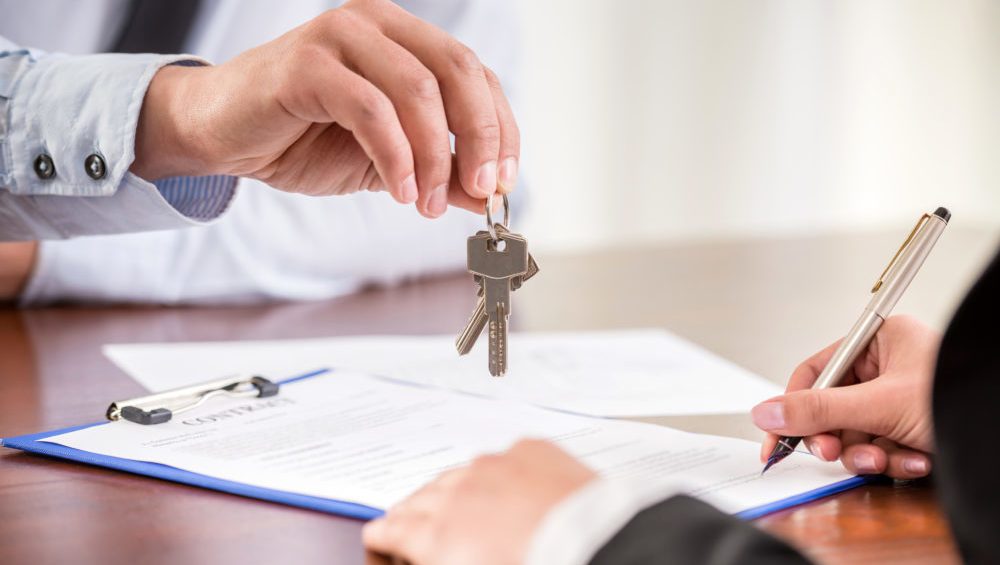
Transfer of ownership: Once all of the documents have been signed and the closing costs have been paid, the property ownership is transferred from the seller to the buyer. The seller will provide the keys to the property and any other necessary information to the buyer.

Recording of documents: The closing agent or attorney will record the deed and other documents with the appropriate government agency to officially transfer ownership.

Disbursement of funds: Once the ownership has been transferred, the funds will be disbursed to the seller, paying off any existing mortgages or liens, and the buyer's loan will be funded.

Closing can be a complex and stressful process, but with the help of a knowledgeable real estate agent and closing attorney, it can be a smooth and successful conclusion to the home buying process.

Wednesday, March 22, 2023

Small seller mistakes that have big impacts


Jenn Gregory Bonita Springs Realtor

Selling a home can be a complex process, and even small mistakes can have a big impact on potential buyers. Here are some common mistakes that can repel home buyers:

1) Poor curb appeal: The exterior of a home is the first thing that potential buyers will see, and if it doesn't look appealing, they may not even want to go inside. Simple improvements like trimming the lawn, adding some flowers, and painting the front door can make a big difference.

2) Clutter and mess: When a potential buyer walks into a cluttered and messy home, it can be hard for them to envision themselves living there. It's important to keep the home clean and organized during showings, and to remove any personal items or clutter that might be distracting.

3) Bad smells: Unpleasant odors can be a major turnoff for potential buyers. Be sure to eliminate any sources of bad smells, such as pet odors or cooking smells, before showings.

4) Overpricing: If a home is priced too high, it can scare off potential buyers who may assume that the seller is not serious about selling. Be sure to price the home fairly based on market conditions and comparable homes in the area.

5) Lack of updates: If a home hasn't been updated in many years, it can be a major turnoff for buyers who are looking for move-in ready homes. Simple updates like fresh paint and modern fixtures can make a big difference in attracting buyers.

6) Poor lighting: A home that is poorly lit can feel dark and uninviting. Be sure to use a mix of natural and artificial lighting to create a warm and welcoming atmosphere.

7) Lack of privacy: Buyers want to feel like they can relax and have privacy in their new home. If a home is located in a busy area or has too many windows facing the street, it can be a turnoff for buyers.

By avoiding these simple mistakes, sellers can make their homes more appealing to potential buyers and increase their chances of a successful sale.

Sunday, March 19, 2023

Home staging mistakes to avoid

Jenn Gregory Bonita Springs Realtor

Home staging is the process of preparing a home for sale by making it look its best to potential buyers. While home staging can be a powerful tool for attracting buyers and getting top dollar for your home, there are some common mistakes that sellers should avoid. Here are some home staging mistakes to watch out for:

Overpersonalizing the space: While it's important to make your home feel warm and inviting, it's also important to avoid overpersonalizing the space with too many personal photos, decorations, or other items that could be distracting to buyers. Aim for a clean, neutral look that will appeal to a wide range of buyers.

Neglecting curb appeal: The first impression of your home is crucial, so it's important to pay attention to curb appeal. Make sure the exterior of your home is well-maintained, with clean landscaping, fresh paint, and a welcoming entrance.

Cluttered or disorganized spaces: Cluttered or disorganized spaces can make a home feel smaller and less inviting. Make sure to declutter and organize each room, removing excess furniture and personal items that could distract buyers from the features of the home.

Neglecting to deep clean: A clean home is a must when it comes to staging. Make sure to deep clean each room, paying special attention to areas like kitchens and bathrooms, which can make a big difference in buyers' perceptions of the home.

Ignoring lighting and ambiance: Lighting and ambiance can make a big impact on the feel of a home. Make sure to open up curtains and blinds to let in natural light, and consider adding soft lighting or candles to create a warm and inviting atmosphere.

By avoiding these common home staging mistakes, sellers can create a more appealing and welcoming space that will help attract potential buyers and sell their home quickly and for top dollar.

Friday, March 10, 2023

Why Zillow's "Zestimates" may be innacurate

Jenn Gregory - Bonita Springs Realtor

Zillow Zestimates are estimates of a property's value based on various data points and algorithms, including recent sales, tax assessments, and property characteristics. However, these estimates can sometimes be inaccurate or misleading for a variety of reasons, including:

Lack of access to current data: Zillow may not have access to the most current data about a property, such as recent renovations or upgrades that could affect the value.

Inaccurate data: Zillow's estimates rely on public records and other data sources, which can sometimes be outdated or inaccurate.

Limited accuracy in certain markets: Zillow's algorithm may not be as accurate in certain markets, such as rural areas or areas with a wide range of property types.

Unique or unusual properties: Zillow's algorithm may not be able to accurately estimate the value of unique or unusual properties that don't fit the typical mold.

Market fluctuations: Zillow's estimates are based on past sales and market trends, but they may not account for sudden changes in the market or local economic conditions.

It's important to remember that Zillow Zestimates are just estimates, and should not be relied on as a definitive valuation of a property. A professional appraisal or evaluation by a licensed real estate agent is typically more accurate and reliable.

Thursday, March 9, 2023

Common lies Realtors tell new buyers

Jenn Gregory - Southwest Florida Realtor

It's important to note that the vast majority of realtors are honest and ethical professionals who work hard to help their clients buy or sell a home. However, there are always exceptions, and some realtors may tell lies or stretch the truth to make a sale. Here are some common lies that realtors may tell new buyers:


"This home won't last long on the market": While it's true that some homes may sell quickly, realtors may use this line to create a sense of urgency and pressure buyers into making an offer before they're ready. It's important for buyers to take their time and do their due diligence before making an offer.


"This is the best deal you'll find": Realtors may use this line to pressure buyers into making an offer quickly, even if it's not the best deal for their needs and budget. Buyers should always do their research and compare prices before making an offer.


"This home has no issues": Realtors may downplay or ignore issues with a home in order to make a sale. Buyers should always get a home inspection and review any disclosures to ensure they know about any issues with the property.


"I'm not making a commission on this sale": Realtors may tell this lie to make buyers think they have their best interests at heart. However, it's important to remember that realtors are typically paid a commission on the sale of a home, so it's in their best interest to make a sale.


"This is a hot market, so you need to act fast": While it's true that some markets may be more competitive than others, realtors may use this line to pressure buyers into making an offer before they're ready. Buyers should always take their time and make a decision based on their own needs and budget.


Buyers should always be cautious and do their own research before making a purchase. If they suspect their realtor is lying or being dishonest, they should consider finding a new agent who will work in their best interests.

Wednesday, March 8, 2023

What is dual agency?

Jenn Gregory - Naples Florida Realtor

Dual agency is a real estate practice where a single agent or broker represents both the buyer and seller in a transaction. In Florida, dual agency is not illegal, but it is highly regulated and discouraged by the state's real estate licensing laws.

The state of Florida allows for "designated agency," where a brokerage firm can designate different agents within the firm to represent the buyer and seller in a transaction. This allows for each party to have their own agent, while still working under the same brokerage.

However, dual agency is not allowed in Florida because it creates a conflict of interest. When one agent represents both the buyer and seller, they may prioritize their own interests over those of their clients. This can create an unfair advantage for one party, leading to potential legal issues.

Additionally, dual agency can make it difficult for the agent to provide objective advice to both parties, as they have a duty to act in the best interests of both the buyer and seller.

To avoid conflicts of interest and ensure a fair transaction, Florida's real estate licensing laws require agents to provide full disclosure to their clients and avoid any actions that could be perceived as a breach of their fiduciary duty. By working under designated agency, agents can represent their clients while avoiding conflicts of interest and maintaining a high level of professionalism.

Sunday, March 5, 2023

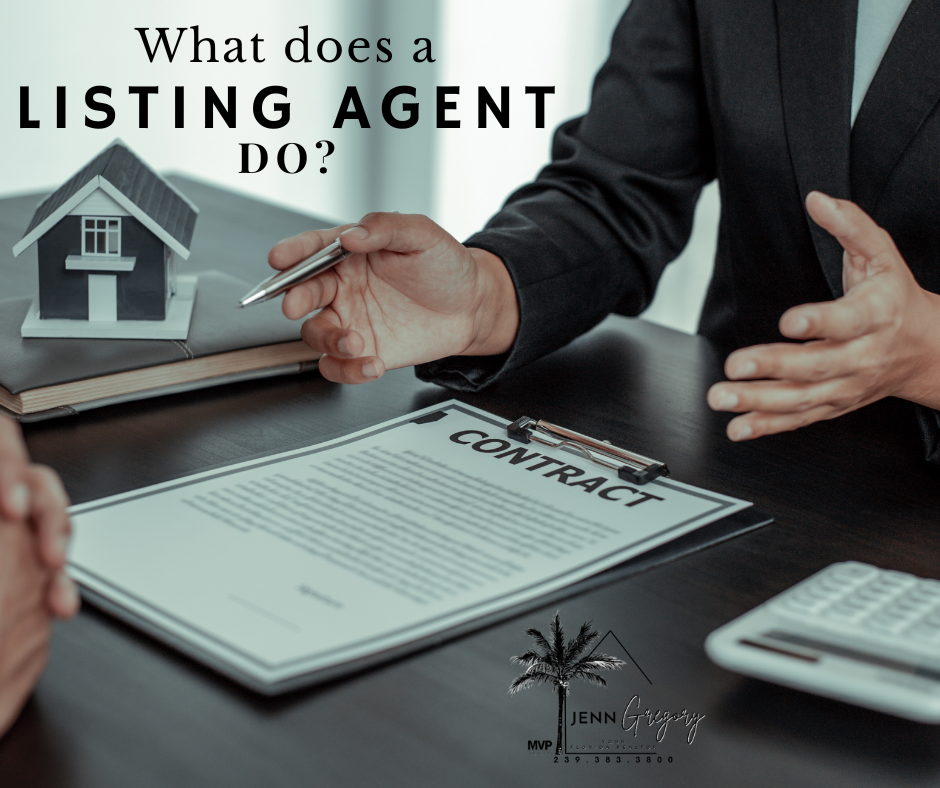
What does a listing agent do?

Jenn Gregory - Bonita Springs Realtor


Listing agents are real estate agents who work with home sellers to help them prepare their homes for sale, market the property, and negotiate offers from potential buyers. Here are some of the key tasks that a listing agent may perform:


Property valuation: A listing agent will help the seller determine an appropriate price for the home based on the local market conditions, the condition of the property, and other factors.


Home preparation: A listing agent will help the seller prepare their home for sale by recommending repairs or upgrades that can increase the home's appeal to buyers.


Marketing: A listing agent will create a marketing plan to promote the property to potential buyers, including listing the property on the MLS, creating online listings, and staging the home for photos and showings.


Open houses and showings: A listing agent will schedule and host open houses and showings to allow potential buyers to view the property.


Negotiation: A listing agent will help the seller evaluate offers from potential buyers and negotiate the terms of the sale, including the purchase price, closing date, and any contingencies.


Contract and closing: A listing agent will work with the seller and their attorney to review and sign the purchase agreement and ensure that all necessary paperwork is completed for the closing.


Overall, a listing agent's goal is to help the seller sell their home quickly and for the best possible price. They use their knowledge of the local market, their marketing expertise, and their negotiation skills to achieve this goal.

Wednesday, February 15, 2023

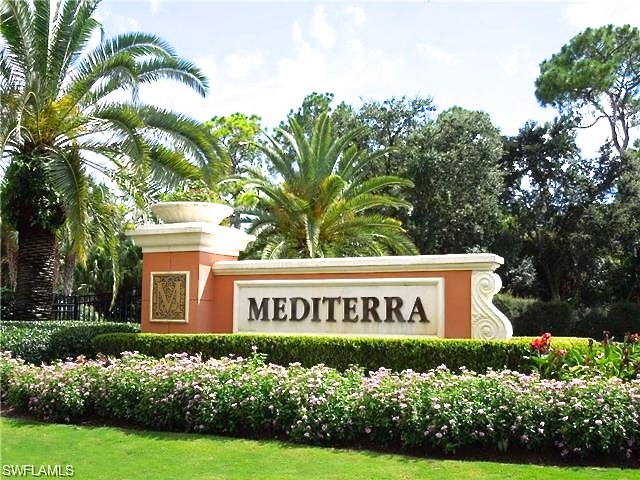
Mediterra Luxury Home Community - Naples, FL

 Mediterra is a luxury golf and beach community located in Naples, Florida. This exclusive community offers residents a variety of amenities, including two Tom Fazio-designed golf courses, a private beach club, tennis courts, and a state-of-the-art fitness center.


Jenn Gregory Bonita Springs Florida Realtor

One of the standout features of Mediterra is its beautiful homes. The community is home to a variety of custom-built estate homes, many of which feature Mediterranean-inspired architecture and stunning views of the golf course or lake. Homes in Mediterra range in size from 2,500 square feet to over 8,000 square feet, making it a great option for both families and empty nesters.


One of the things that makes Mediterra special is the sense of community that residents enjoy. The community is made up of a variety of social clubs and groups, including a women's club, a men's club, and a book club, so there is always something to do and people to meet.


The location of Mediterra is also a huge draw. The community is located just minutes from the Gulf of Mexico, so residents can enjoy all the beauty and activities that the area has to offer, including world-class beaches, boating, fishing, and more. Additionally, Mediterra is just a short drive from the shops and restaurants of downtown Naples, as well as the many cultural attractions the city has to offer.


Overall, Mediterra is a fantastic community for anyone looking for a luxury lifestyle in one of the most desirable areas of Florida. With its beautiful homes, fantastic amenities, and tight-knit community, it's easy to see why so many people are choosing to call Mediterra home.

Monday, February 13, 2023

Florida Home - Termites

 Termites are a common pest problem in Florida homes. These small, winged insects feed on wood and can cause significant damage to a home's structure if left untreated.


There are two main types of termites found in Florida: subterranean and drywood. Subterranean termites live in the soil and enter homes through foundation cracks or through wood that is in contact with the ground. Drywood termites, on the other hand, live inside the wood and do not require contact with soil.


Jenn Gregory Bonita Springs Florida Realtor

Both types of termites can be difficult to detect, as they often live inside walls or other hidden areas of the home. However, there are some signs that homeowners can look for, such as small, pencil-sized holes in wood surfaces or the presence of small, dark-colored insects.


To prevent termites from infesting a home, homeowners should take steps to reduce moisture in the home and to eliminate any potential food sources for the insects. This may include fixing leaks, removing dead wood from the yard, and ensuring that the foundation of the home is in good condition.


Jenn Gregory Bonita Springs Florida Realtor

If you suspect that your home may be infested with termites, it is important to contact a professional exterminator. They will be able to determine the type of termite present in your home and develop an appropriate treatment plan. This may include the use of pesticides or other methods such as baiting or heat treatment.


It's important to take care of termites as soon as possible because if left untreated it could cause significant damage to your home, not only that but it could also be costly to repair. So, be vigilant and take necessary steps to ensure the safety of your home from termite infestation.

Monday, January 23, 2023

Are you familiar with Doc Stamps in Florida?

Jenn Gregory Bonita Springs REALTOR


If you are from another state and thinking about purchasing property in Florida, you might want to know about doc stamps or "Documentary Stamp Tax".

In Florida, "doc stamps" refer to a type of tax that is assessed on certain documents when they are recorded. The tax is based on the value of the property or transaction that is being documented and is typically a small percentage of that value. Examples of documents that are subject to doc stamps include deeds, mortgages, and certain types of contracts. The revenue generated by doc stamps is used to fund various state and local government programs and services.

For example, the doc stamp fee in Lee County, Florida on a property sold for $425,000.00 is calculated as follows:

$0.70 per $100 (or portion thereof) of the total consideration or value of the property.

To calculate the doc stamp fee: $425,000 x 0.007 (0.7%) = $2975

So, the doc stamp fee on a property sold for $425,000.00 in Lee County, Florida would be $2,975.

The title company will prepare the documents and the doc stamp fee will show up on your closing statement.

Jenn Gregory Bonita Springs Realtor

In Florida, the person or entity that is recording the document is typically responsible for paying the doc stamp fee. This means that the buyer of a property would typically pay the doc stamp fee on a deed, while the borrower would pay the fee on a mortgage. However, it is not uncommon for the buyer and seller or the borrower and lender to agree to split the cost of the doc stamp fee as part of the overall purchase or loan agreement.

In some cases, the parties may include the doc stamp fee as part of the closing costs of a property sale or mortgage refinance, which would be paid by the buyer or borrower.

It's worth noting that the way the cost of doc stamps is handled can vary depending on the specific transaction, the parties involved, and the terms of the agreement.

2025 Market predictions for Southwest Florida

What to Expect from Mortgage Rates and Home Prices in Southwest Florida in 2025 As we look ahead to 2025, many are wondering where the housi...