Showing posts with label home inspections. Show all posts

Thursday, August 31, 2023

10 Things you need to know before buying beachfront property

Jenn Gregory Bonita Springs REALTOR

Buying beachfront property in Florida can be an exciting endeavor, but it's important to be well-informed before making such a significant investment. Here are TEN key factors to consider:


1. Location and Research:

Research the specific area you're interested in. Florida has a diverse coastline with varying property values, climate conditions, and attractions. Check for information about the beach's erosion history, flood zones, hurricane risks, and other environmental factors.

2. Legal and Regulatory Considerations:

Understand the local zoning laws, building codes, and regulations that might impact your property development plans. Check if the property has any restrictions or easements that could limit your ability to use the land or make modifications.

3. Insurance and Costs:

Florida is prone to hurricanes and flooding. Make sure to assess the availability and cost of flood and windstorm insurance. Consider property taxes, maintenance costs, and potential homeowners association (HOA) fees.

4. Environmental Concerns:

Coastal erosion can be a significant issue. Research the history of erosion in the area and the steps taken to mitigate it. Look into local conservation regulations and potential impacts on your property.

5. Resilience and Construction:

If you're planning to build on the property, consider investing in hurricane-resistant construction techniques and materials. Elevated foundations and other resilient features can help protect your property from storm surges and flooding.

6. Market Trends and Resale Value:

Study the local real estate market trends to understand property values, rental potential, and potential resale value. A real estate professional can help you analyze market conditions and make informed decisions.

7. Property History and Title Search:

Conduct a thorough title search to ensure there are no liens or disputes on the property.  Look into the property's history, including past sales, ownership changes, and any legal issues.

8. Utilities and Infrastructure:

Check the availability and quality of utilities like water, electricity, sewage, and internet connectivity. Consider any potential challenges related to maintaining these services in a coastal environment.

9. Property Access and Amenities:

Assess the accessibility of the property, both for yourself and potential renters or buyers in the future. Consider nearby amenities such as shops, restaurants, medical facilities, and recreational opportunities. 

10. Consult Professionals:

It's highly recommended to work with a local real estate agent who specializes in beachfront properties. They can provide invaluable insights and guidance.

Remember that beachfront properties can come with unique risks and rewards. While the stunning views and potential for rental income can be enticing, it's crucial to thoroughly research, evaluate, and consult with experts to make an informed decision that aligns with your goals and risk tolerance.

Wednesday, August 9, 2023

Buying new construction? Get a buyers agent first. Here's why:

Jenn Gregory MVP Realty

Using a buyer's agent when purchasing a new construction home can provide several important benefits. Here are a few reasons why it is important to consider working with a buyer's agent in such situations:

Expertise and Guidance: A buyer's agent specializes in representing the interests of homebuyers. They have knowledge and experience in the real estate market, including new construction, and can provide valuable guidance throughout the process. They understand the nuances of purchasing a new construction home and can help you navigate the complexities.

Negotiation Power: A buyer's agent is skilled in negotiations and can work on your behalf to secure the best deal possible. They can help you understand the builder's pricing, incentives, and terms, and negotiate on price, upgrades, or other factors that may be important to you. Their objective is to protect your interests and ensure you get the most value for your investment.

Builder Relations: Established buyer's agents often have established relationships with builders and developers. This can be advantageous when purchasing a new construction home because they may have knowledge about upcoming projects, available inventory, or access to special promotions or incentives. They can use their network to gather information and advocate for you.

Contract and Documentation Assistance: Buying a new construction home typically involves a complex set of contracts and documentation. A buyer's agent can review these documents thoroughly, explain the terms and conditions, and help you understand your rights and obligations. They can identify any potential issues and ensure you are protected throughout the transaction.

Building Process Oversight: A buyer's agent can help oversee the construction process. They can attend site visits, inspections, and walk-throughs with you to ensure that the builder is meeting their obligations, addressing any concerns or issues that arise, and ensuring that the construction is progressing as agreed upon.

Local Market Knowledge: A buyer's agent has a deep understanding of the local real estate market, including factors that may impact the value and desirability of a new construction home. They can provide insights into neighborhood trends, future development plans, school districts, and other factors that may influence your decision-making process.

Overall, utilizing a buyer's agent when purchasing a new construction home provides you with professional representation, expertise, and advocacy throughout the process. They can help you make informed decisions, protect your interests, and maximize the value of your investment.

Wednesday, August 2, 2023

The emotional process of home buying

Jenn Gregory REALTOR MVP Realty


Buying a home is an emotional process. Emotions can vary from person to person, but some common stages include:

Excitement: This is the initial stage where the home buyer is excited about the prospect of buying a new home and all the possibilities that come with it.

Anxiety: As the home buyer begins to think more about the process, they may start to feel anxious about the financial and practical aspects of buying a home, such as finding the right mortgage or worrying about potential repairs.

Frustration: The home buying process can be complex and time-consuming, so it's common for buyers to feel frustrated with the many steps involved, from searching for a suitable property to negotiating with sellers and dealing with legal paperwork.

Elation: When a home buyer finds the perfect property and successfully navigates the purchasing process, they may experience a sense of elation and accomplishment.

Fear: Once the purchase is made, some buyers may feel a sense of fear or worry about the financial commitment and responsibility that comes with owning a home.

Relief: Finally, once the buyer settles into their new home and begins to adjust to their new lifestyle, they may feel a sense of relief and satisfaction that they made the right decision. 


Wednesday, April 12, 2023

What should you ask the home seller to fix?


Jenn Gregory Bonita Springs Realtor

When purchasing a property, it is common for the buyer to request that the seller makes repairs or improvements before the sale is finalized. Here are some tips on what you can and should ask the property seller to fix:

Safety issues: If there are any safety issues with the property, such as faulty electrical wiring, leaky pipes, or structural damage, you should ask the seller to make the necessary repairs before closing the sale.

Health concerns: If there are any health concerns related to the property, such as mold, asbestos, or lead paint, you should ask the seller to address these issues before closing the sale.

Pest infestations: If there is evidence of a pest infestation, such as termites or rodents, you should ask the seller to take care of the problem before closing the sale.

Water damage: If there is water damage in the property, such as from leaks or flooding, you should ask the seller to fix the issue and ensure that there is no mold or mildew present.

Non-functioning appliances: If any of the appliances in the property are not functioning properly, you can ask the seller to repair or replace them.

It's important to keep in mind that not all repairs will be necessary or reasonable to ask the seller to make. It's up to the buyer to weigh the costs and benefits of requesting repairs and to negotiate with the seller accordingly. Additionally, some repairs may be covered by a home warranty or insurance, so it's important to review these options before making any requests of the seller. Overall, it's important to approach negotiations in a fair and respectful manner in order to reach an agreement that works for both parties.

Saturday, March 4, 2023

6 smart tips for first time home buyers

First time buyers - Jenn Gregory


Buying your first home can be an exciting and overwhelming experience. As a first-time homebuyer, it’s important to be prepared and knowledgeable about the process. In this blog post, we’ll provide you with some tips and information to help you navigate the world of real estate and find your dream home.

1. Determine your budget Before you start house hunting, it’s essential to determine your budget. This will help you narrow down your search and prevent you from wasting time looking at homes that are out of your price range. It’s important to factor in all of the costs associated with buying a home, including the down payment, closing costs, and monthly mortgage payments.

2. Get pre-approved for a mortgage Getting pre-approved for a mortgage can give you a clear idea of how much you can afford to spend on a home. It can also make the home buying process smoother and faster by showing sellers that you’re a serious buyer. It’s recommended to get pre-approved for a mortgage before you start house hunting.

3. Work with a real estate agent.  A real estate agent can be a valuable resource for first-time homebuyers. They can help you find homes that fit your budget and needs, negotiate with sellers on your behalf, and guide you through the home buying process. Look for a reputable agent who has experience working with first-time homebuyers.

4. Consider the location When buying a home, location is everything. Consider factors like the neighborhood, school district, and commute time to work. It’s also important to think about the potential resale value of the home in the future.

5. Don’t skip the home inspection A home inspection is a crucial step in the home buying process. It can uncover any potential issues with the home, such as structural damage or mold, that could cost you money in the long run. Don’t skip the home inspection, even if the home seems perfect on the surface.

6. Be prepared for closing costs Closing costs can add up quickly and include expenses like appraisal fees, title insurance, and attorney fees. Make sure you budget for these costs and factor them into your overall budget.

Buying your first home can be a complex process, but with the right preparation and guidance, you can find the home of your dreams. Keep these tips in mind as you start your home buying journey, and remember to take your time, ask questions, and make informed decisions. Good luck!

Saturday, February 18, 2023

How are house foundations built in Florida?

Jenn Gregory Bonita Spring Florida Realtor

 In Florida, house foundations are typically built on a concrete slab, as the high water table and potential for flooding make it difficult to construct a traditional crawl space or full basement. 


Additionally, the soil in Florida is mostly composed of sandy and clay soils which are not ideal for foundation. Therefore, it is important to have a proper soil analysis and foundation design done by a professional engineer to ensure the foundation will be stable and able to withstand the forces of nature. 

Jenn Gregorhy Bonita Springs Realtor

Some other options are piling foundations and stem wall foundations which are suitable for Florida's soil and weather condition.

Monday, February 13, 2023

Florida Home - Termites

 Termites are a common pest problem in Florida homes. These small, winged insects feed on wood and can cause significant damage to a home's structure if left untreated.


There are two main types of termites found in Florida: subterranean and drywood. Subterranean termites live in the soil and enter homes through foundation cracks or through wood that is in contact with the ground. Drywood termites, on the other hand, live inside the wood and do not require contact with soil.


Jenn Gregory Bonita Springs Florida Realtor

Both types of termites can be difficult to detect, as they often live inside walls or other hidden areas of the home. However, there are some signs that homeowners can look for, such as small, pencil-sized holes in wood surfaces or the presence of small, dark-colored insects.


To prevent termites from infesting a home, homeowners should take steps to reduce moisture in the home and to eliminate any potential food sources for the insects. This may include fixing leaks, removing dead wood from the yard, and ensuring that the foundation of the home is in good condition.


Jenn Gregory Bonita Springs Florida Realtor

If you suspect that your home may be infested with termites, it is important to contact a professional exterminator. They will be able to determine the type of termite present in your home and develop an appropriate treatment plan. This may include the use of pesticides or other methods such as baiting or heat treatment.


It's important to take care of termites as soon as possible because if left untreated it could cause significant damage to your home, not only that but it could also be costly to repair. So, be vigilant and take necessary steps to ensure the safety of your home from termite infestation.

Monday, February 6, 2023

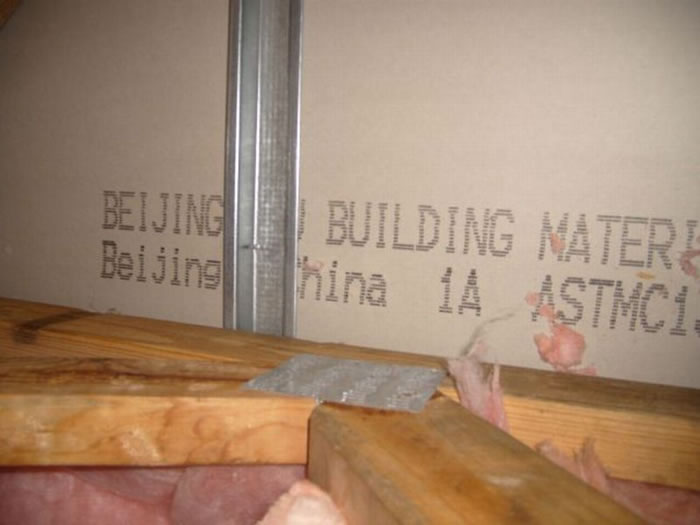
What is Chinese drywall?

Jenn Gregory Bonita Springs Florida Realtor

 Chinese drywall is a type of drywall that was imported to the United States from China between 2001 and 2009. It is believed to have been used in the construction of over 500,000 homes, mostly in the southern United States. However, it has since been found to have a number of issues that can lead to significant problems for homeowners.


One of the main issues with Chinese drywall is that it can emit a strong, sulfurous odor. This can cause a variety of health problems, including respiratory issues, headaches, and eye and throat irritation. Additionally, the sulfur gases can corrode metal surfaces in the home, including air conditioning coils, electrical wiring, and appliances.


Jenn Gregory Bonita Springs Florida Realtor

Another issue with Chinese drywall is that it can release hydrogen sulfide gas, which can cause a blackening or discoloration of copper surfaces, including electrical wiring, plumbing, and appliances. This can lead to costly repairs and replacements.


If you suspect that your home has Chinese drywall, it is important to have it inspected by a professional. If the drywall is found to be in poor condition, it may need to be removed and replaced to prevent potential damage to your home and health hazards.

Friday, February 3, 2023

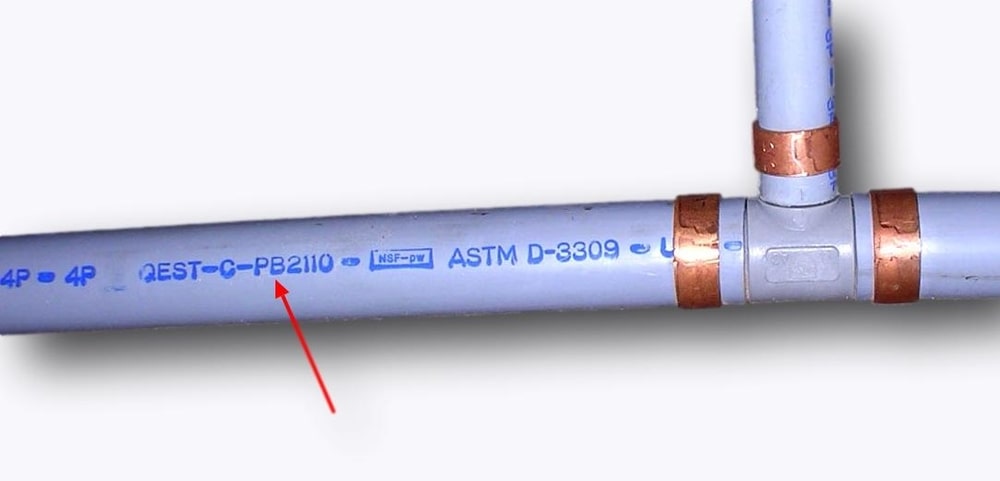
What is polybutylene?

Jenn Gregory Bonita Springs Realtor

 Polybutylene is a type of plastic piping that was commonly used in residential plumbing systems between 1978 and 1995. However, it has since been found to have a number of issues that can lead to significant problems for homeowners.


One of the main issues with polybutylene piping is that it is prone to cracking and breaking. This can lead to leaks and water damage in the home, which can be costly to repair. Additionally, the plastic can become brittle over time, which can cause it to break more easily.


Another issue with polybutylene piping is that it can become clogged with minerals from the water supply, which can restrict the flow of water and lead to low water pressure. This can also cause damage to appliances and fixtures that rely on a steady flow of water.


Jenn Gregory Bonita Springs Realtor

If you suspect that your home has polybutylene piping, it is important to have it inspected by a professional plumber. If the piping is found to be in poor condition, it may need to be replaced to prevent potential damage to your home.


It's also worth noting that most insurance companies won't cover the damages caused by polybutylene pipes, so it's a good idea to have it checked and replaced if necessary.


In conclusion, polybutylene piping is a material that was commonly used in residential plumbing systems, but it has since been found to have a number of issues that can lead to significant problems for homeowners. If you suspect that your home has polybutylene piping, it is important to have it inspected by a professional plumber and replaced if necessary to prevent potential damage to your home.

2025 Market predictions for Southwest Florida

What to Expect from Mortgage Rates and Home Prices in Southwest Florida in 2025 As we look ahead to 2025, many are wondering where the housi...