Showing posts with label investment properties. Show all posts

Wednesday, September 20, 2023

All Manufactured home communities are not the same.

Jenn Gregory

Southwest Florida offers a range of manufactured home options, including co-ops, lot leases, and owning land. Let's explore each option in more detail:

A) Lot Lease:

Many manufactured home communities in Southwest Florida operate on a lot lease model. In this arrangement, residents own their manufactured homes but lease the land on which their homes are situated. The lease agreement typically includes terms and conditions regarding rent, lease duration, and community rules. Lot lease communities often provide amenities and services, such as maintenance, landscaping, and community activities.

In a Lot Lease situation, there is no "real estate" owned and no real estate tax bill.  There is no option to finance through a mortgage.  The home is considered personal property.  It cannot be sold with the help of a REALTOR.  It must be treated as personal property such as a used RV or car.

B) Own Land:

Another option is to purchase land in Southwest Florida and place your manufactured home on it. Owning land offers greater independence and control over your living environment. You have the flexibility to customize your property, including landscaping and improvements, according to your preferences. This option provides a more traditional homeownership experience, and you may have the opportunity to join a homeowners association (HOA) to access shared amenities and participate in community activities.

C) Co-ops:

Cooperative housing communities are prevalent in Southwest Florida and provide an attractive option for manufactured home living. In a co-op, residents collectively own shares in the cooperative corporation, which owns the land and infrastructure. Each resident has the right to occupy a specific unit or lot within the community. Co-ops often offer shared amenities, such as clubhouses, pools, and recreational facilities, fostering a sense of community and shared responsibility among residents.

When considering these options, it's essential to evaluate factors such as location, community amenities, maintenance responsibilities, costs, and the specific rules and regulations of each community. You may want to consult with a real estate professional or manufactured home specialist who can guide you through the process and help you find the option that best suits your needs and preferences.

Southwest Florida offers a vibrant and diverse range of manufactured home options, ensuring that you can find the perfect housing solution for your lifestyle and budget. Whether you choose a co-op, lot lease, or owning land, each option provides unique benefits and opportunities to enjoy the beautiful surroundings and amenities that this region has to offer.

Thursday, August 31, 2023

10 Things you need to know before buying beachfront property

Jenn Gregory Bonita Springs REALTOR

Buying beachfront property in Florida can be an exciting endeavor, but it's important to be well-informed before making such a significant investment. Here are TEN key factors to consider:


1. Location and Research:

Research the specific area you're interested in. Florida has a diverse coastline with varying property values, climate conditions, and attractions. Check for information about the beach's erosion history, flood zones, hurricane risks, and other environmental factors.

2. Legal and Regulatory Considerations:

Understand the local zoning laws, building codes, and regulations that might impact your property development plans. Check if the property has any restrictions or easements that could limit your ability to use the land or make modifications.

3. Insurance and Costs:

Florida is prone to hurricanes and flooding. Make sure to assess the availability and cost of flood and windstorm insurance. Consider property taxes, maintenance costs, and potential homeowners association (HOA) fees.

4. Environmental Concerns:

Coastal erosion can be a significant issue. Research the history of erosion in the area and the steps taken to mitigate it. Look into local conservation regulations and potential impacts on your property.

5. Resilience and Construction:

If you're planning to build on the property, consider investing in hurricane-resistant construction techniques and materials. Elevated foundations and other resilient features can help protect your property from storm surges and flooding.

6. Market Trends and Resale Value:

Study the local real estate market trends to understand property values, rental potential, and potential resale value. A real estate professional can help you analyze market conditions and make informed decisions.

7. Property History and Title Search:

Conduct a thorough title search to ensure there are no liens or disputes on the property.  Look into the property's history, including past sales, ownership changes, and any legal issues.

8. Utilities and Infrastructure:

Check the availability and quality of utilities like water, electricity, sewage, and internet connectivity. Consider any potential challenges related to maintaining these services in a coastal environment.

9. Property Access and Amenities:

Assess the accessibility of the property, both for yourself and potential renters or buyers in the future. Consider nearby amenities such as shops, restaurants, medical facilities, and recreational opportunities. 

10. Consult Professionals:

It's highly recommended to work with a local real estate agent who specializes in beachfront properties. They can provide invaluable insights and guidance.

Remember that beachfront properties can come with unique risks and rewards. While the stunning views and potential for rental income can be enticing, it's crucial to thoroughly research, evaluate, and consult with experts to make an informed decision that aligns with your goals and risk tolerance.

Wednesday, July 19, 2023

Tips for buying an airbnb property in Naples, Florida

Jenn Gregory Bonita Springs REALTOR

If you're considering buying an Airbnb property in Naples, Florida, here are some tips to help you make an informed decision:

Research the market: Before purchasing an Airbnb property in Naples, Florida, research the local market to ensure that there is a demand for short-term rentals in the area. Look at occupancy rates, average nightly rates, and local regulations to ensure that an Airbnb property is a viable investment.

Consider location: The location of your Airbnb property is critical to its success. Choose a location that is close to popular tourist attractions, restaurants, and shopping centers.

Check zoning laws: Make sure that the property you're interested in is zoned for short-term rentals. Some neighborhoods or condo associations may have restrictions on short-term rentals, so be sure to check local zoning laws and regulations.

Evaluate the property: Inspect the property thoroughly to ensure that it's in good condition and meets the needs of Airbnb guests. Look for features that will appeal to travelers, such as a pool, outdoor space, or proximity to the beach.

Analyze the financials: Consider the potential income and expenses of the property, including mortgage payments, property taxes, insurance, maintenance costs, and Airbnb fees. Use a rental income calculator to estimate the potential income and determine if the property is a good investment.

Hire a property manager: Consider hiring a property manager to handle the day-to-day operations of your Airbnb property. A property manager can handle guest inquiries, bookings, cleaning, and maintenance, freeing up your time and reducing the stress of managing an Airbnb property.

Be prepared for fluctuations in demand: Demand for short-term rentals can fluctuate throughout the year, so be prepared for seasonal variations in occupancy rates and nightly rates. Plan accordingly by adjusting your pricing and marketing strategy to maximize your occupancy and revenue.

By following these tips, you can make an informed decision when buying an Airbnb property in Naples, Florida, and increase your chances of success as an Airbnb host.

Wednesday, July 12, 2023

Cash vs Financing


Jenn Gregory Bonita Springs REALTOR

Deciding whether to pay cash or finance a property is a personal choice that depends on your financial situation, investment goals, and risk tolerance. Here are some advantages and disadvantages to consider when deciding between paying cash or financing a property:

Advantages of paying cash:

No debt: By paying cash, you avoid taking on debt and the associated interest charges and fees.

Lower closing costs: Paying cash eliminates the need for mortgage-related closing costs such as origination fees, appraisal fees, and title insurance.

Increased negotiating power: Cash buyers may have an advantage when negotiating the purchase price of a property, as sellers may prefer a cash sale over a financed sale.

Faster closing: Paying cash can result in a faster closing, as there is no need to wait for financing approval or for the mortgage process to be completed.

Disadvantages of paying cash:

Loss of liquidity: Paying cash ties up a significant amount of liquid assets that could be used for other investments or emergencies.

Opportunity cost: By tying up cash in a property, you may miss out on other investment opportunities with higher returns.

Reduced tax benefits: Financing a property may provide tax benefits such as mortgage interest deductions, which are not available to cash buyers.

Advantages of financing:

Preserves liquidity: Financing a property allows you to keep more cash on hand for other investments or emergencies.

Tax benefits: Mortgage interest payments may be tax-deductible, which can reduce your overall tax liability.

Increased leverage: Financing a property can increase your buying power and allow you to invest in more properties than you could with cash alone.

Asset appreciation: As property values typically appreciate over time, financing allows you to benefit from the appreciation of the entire value of the property, rather than just the cash invested.

Disadvantages of financing:

Debt and interest charges: Financing a property involves taking on debt and paying interest charges, which can increase the overall cost of the property.

Higher closing costs: Financing a property typically involves higher closing costs than paying cash, including mortgage-related fees and charges.

Risk of foreclosure: If you are unable to make your mortgage payments, you risk losing the property through foreclosure.

Ultimately, the decision to pay cash or finance a property depends on your individual financial situation and investment goals. It's important to consider the advantages and disadvantages of both options, as well as consult with a financial advisor or real estate professional to determine which option is right for you.

Wednesday, June 28, 2023

Demystifying the 1031 exchange

Jenn Gregory Bonita Springs REALTOR

A 1031 Exchange, also known as a "like-kind" exchange, is a tax-deferred exchange of property that allows investors to defer paying capital gains tax on the sale of an investment property, as long as the proceeds are reinvested in a similar property. Here's how the process works:

Sell your investment property: The first step in a 1031 Exchange is to sell your investment property. Once the sale is complete, the proceeds will be held by a qualified intermediary (QI), who will facilitate the exchange.

Identify replacement property: Within 45 days of the sale of your investment property, you must identify potential replacement properties. You can identify up to three potential properties, or more if you meet certain criteria.

Close on replacement property: Once you've identified replacement property, you must close on the new property within 180 days of the sale of your original property.

Complete the exchange: The final step in the 1031 Exchange process is to complete the exchange by transferring the proceeds from the sale of your original property to the purchase of the replacement property. The QI will handle the transfer of funds and ensure that all requirements are met.

It's important to note that there are specific requirements and rules that must be followed in order to qualify for a 1031 Exchange, and working with a qualified intermediary is required. Additionally, the property must be held for investment or business purposes, and there are certain timeframes and deadlines that must be followed.

While a 1031 Exchange can be a useful tool for deferring capital gains tax on investment property, it's important to consult with a qualified tax professional and real estate attorney before entering into any exchange to ensure that you understand the requirements and risks involved.

Tuesday, June 27, 2023

Just Listed in Naples, FL ~ 567 Cape Florida Lane, Naples, FL 34104 ~


Prepare to be impressed by the warm and inviting ambiance of this spacious 3-bedroom home.

The open concept creates a seamless flow between the living room, dining area, and kitchen, providing a perfect space for entertaining or spending quality time with family. Natural light floods the interior, highlighting the tasteful finishes and creating an airy atmosphere. The kitchen features a large pantry and ample cabinet and counter space.

The primary bedroom is a tranquil retreat, boasting a generous layout and two large closets. The attached primary bathroom offers both style and functionality with its elegant fixtures, two separate vanity/sink areas and a spacious shower. Two additional large bedrooms provide comfortable accommodation for family members or guests.

Enjoy sunrise on the front porch and entertain friends in your screened lanai.

Cape Sable Lakes is a 55+ community, offering two pools, a workout room and community room. One resident must be over the age of 55. No one under 18 can reside, but visitors are welcomed.  This is not a co-op.  The buyer owns the land.

This is a unique opportunity to own a spacious 3-bedroom home in the heart of Naples.
~ New A/C unit installed on 6/15/23 ~ 

Jenn Gregory
MVP Realty

(239)383-3800

Wednesday, June 21, 2023

SEVEN things you need to know before buying land

Jenn Gregory Bonita Springs REALTOR

Before buying land, there are several important factors that you should consider. Here are some key things to keep in mind:

1) Zoning
Check with the local planning department to determine the zoning restrictions and permitted land uses for the property. This information will help you determine if the property is suitable for your intended use.

2) Utilities
Consider the availability and cost of utilities such as water, sewer, electricity, and gas. If the property is not connected to these utilities, you will need to factor in the cost of bringing them to the property.

3) Access
Make sure that the property has legal and physical access, and consider the condition of any existing roads or driveways. Access to the property may affect its value and your ability to use the property as intended.

4) Environmental considerations
Determine if there are any environmental issues or restrictions that may affect the property. For example, wetlands or endangered species may limit the use or development of the property.

5) Easements and other encumbrances
Check for any easements or other encumbrances that may affect the property. These could include rights of way, restrictive covenants, or liens that may limit your use of the property or affect its value.

6) Survey and title
Obtain a survey of the property to ensure that you know the exact boundaries and acreage of the property. Also, obtain a title report to ensure that there are no liens or other claims on the property.

7) Market conditions
Consider the current market conditions for land in the area, including supply and demand, recent sales, and pricing trends. This will help you determine the fair market value of the property and negotiate a fair price.

Buying land can be a complex process, so it's important to work with a knowledgeable real estate agent or attorney who can guide you through the process and help you navigate any potential issues.

Wednesday, June 7, 2023

7 things you need to know before buying your first investment property

Jenn Gregory Bonita Springs Realtor

If you're thinking about investing in real estate, there are 7 key things you should know:

1. Understand the different types of real estate investment: There are several different ways to invest in real estate, including buying rental properties, flipping houses, and investing in real estate investment trusts (REITs). Each type of investment has its own set of risks and rewards, so it's important to understand the differences and choose the strategy that aligns with your goals and risk tolerance.


2. Do your research: Before you invest in a property, it's important to do your research to understand the local real estate market, including property values, rental rates, and demand for rental properties. Additionally, you should research the local zoning laws and regulations to make sure you're allowed to use the property for the purpose you have in mind.


3. Have a solid business plan: Investing in real estate is a business, and like any business, it requires a solid business plan. Your plan should include your investment goals, a budget, and a marketing strategy to attract tenants or buyers.


4. Be prepared for the unexpected: Real estate investing can be unpredictable, and you should be prepared for unexpected expenses and vacancies. Make sure you have enough cash reserves to cover unexpected expenses and lost rent, and have a plan in place to fill vacancies quickly.


5. Learn as much as you can: Investing in real estate requires knowledge and skill. You should educate yourself as much as possible about the real estate market, local laws, and regulations, and property management. You can do this by reading books and articles, taking classes, and networking with other investors.


6. Get professional help: It's a good idea to seek professional help from a real estate attorney, accountant, and/or a real estate agent. They can help you navigate the legal and financial aspects of investing in real estate and can also help you find properties that align with your investment goals.


7. Be aware of taxes and regulations: Real estate investing can be subject to various taxes and regulations. Be aware of these before investing and make sure you are compliant with them to avoid any legal issues in the future.


Remember, investing in real estate is not a get-rich-quick scheme, it requires patience and hard work. But it can be a great way to build wealth over time if done correctly.

Wednesday, April 26, 2023

How do I become a "Snowbird"?

Jenn Gregory Bonita Springs Realtor

To become a snowbird, you will typically need to follow these steps:

Determine your destination: A snowbird is someone who spends the winter months in a warmer climate, often in the southern United States or other parts of the world. Start by researching different destinations to find one that appeals to you.

Find a place to stay: Once you have chosen a destination, you will need to find a place to stay. This could involve renting a condo or apartment, buying a second home, or staying in an RV or other mobile living situation.

Plan your finances: Snowbirding can be expensive, so you will need to plan your finances carefully. Consider the cost of living in your chosen destination, as well as the cost of travel, housing, and other expenses.

Consider health insurance: As a snowbird, you may need to purchase health insurance that covers you in both your home country and your winter destination.

Prepare for travel: Depending on how far you are traveling, you may need to prepare for a long road trip or book flights to your destination. You will also need to pack appropriately for your winter stay, including warm-weather clothing and any necessary medical supplies.

Stay organized: To make your snowbirding experience as smooth as possible, it is important to stay organized. This may involve creating a packing list, keeping important documents handy, and setting up a schedule for regular check-ins with family and friends back home.

Overall, becoming a snowbird requires careful planning and preparation. But with the right approach, it can be a rewarding way to enjoy a change of scenery during the winter months.

Sunday, March 19, 2023

Home staging mistakes to avoid

Jenn Gregory Bonita Springs Realtor

Home staging is the process of preparing a home for sale by making it look its best to potential buyers. While home staging can be a powerful tool for attracting buyers and getting top dollar for your home, there are some common mistakes that sellers should avoid. Here are some home staging mistakes to watch out for:

Overpersonalizing the space: While it's important to make your home feel warm and inviting, it's also important to avoid overpersonalizing the space with too many personal photos, decorations, or other items that could be distracting to buyers. Aim for a clean, neutral look that will appeal to a wide range of buyers.

Neglecting curb appeal: The first impression of your home is crucial, so it's important to pay attention to curb appeal. Make sure the exterior of your home is well-maintained, with clean landscaping, fresh paint, and a welcoming entrance.

Cluttered or disorganized spaces: Cluttered or disorganized spaces can make a home feel smaller and less inviting. Make sure to declutter and organize each room, removing excess furniture and personal items that could distract buyers from the features of the home.

Neglecting to deep clean: A clean home is a must when it comes to staging. Make sure to deep clean each room, paying special attention to areas like kitchens and bathrooms, which can make a big difference in buyers' perceptions of the home.

Ignoring lighting and ambiance: Lighting and ambiance can make a big impact on the feel of a home. Make sure to open up curtains and blinds to let in natural light, and consider adding soft lighting or candles to create a warm and inviting atmosphere.

By avoiding these common home staging mistakes, sellers can create a more appealing and welcoming space that will help attract potential buyers and sell their home quickly and for top dollar.

Monday, March 13, 2023

5 Negotiation Secrets Smart Buyers Use to Get Better Deals

Jenn Gregory - Bonita Springs Realtor

When it comes to buying a home, negotiation skills can be key to getting the best deal. Here are five negotiation secrets that smart buyers use to get better deals:

1. Do your research
Before you make an offer, it's important to do your research and understand the local housing market. Look at recent sales in the area and compare the features and prices of similar homes to get a sense of what's reasonable. This will help you make a more informed and confident offer.

2. Be willing to walk away
While it's important to be persistent in negotiations, it's also important to be willing to walk away if you can't get the deal you want. This can give you more bargaining power and may even prompt the seller to reconsider their position.

3. Keep emotions in check
Buying a home can be an emotional process, but it's important to keep emotions in check during negotiations. Stay focused on the facts and the bottom line, rather than getting caught up in the emotional appeal of a particular property.

4. Use a professional
Working with a professional real estate agent or attorney can give you an advantage in negotiations. These professionals have experience negotiating deals and can provide guidance and support throughout the process.

5. Look for win-win solutions
The best negotiations result in win-win solutions for both parties. Rather than trying to "win" every point, look for solutions that meet the needs of both parties and allow for a successful transaction.


By using these negotiation secrets, buyers can increase their chances of getting a better deal on their next home purchase.

Sunday, March 12, 2023

What is escrow?

Jenn Gregory - Bonita Springs Realtor


Escrow refers to a financial arrangement in which a third party holds and manages funds or assets on behalf of two parties that are involved in a transaction. Escrow is commonly used in real estate transactions, but it can also be used in other situations, such as online sales, intellectual property transfers, and legal settlements.

In a real estate transaction, an escrow account is typically created by the buyer's real estate agent, attorney, or lender, and is used to hold the buyer's deposit until the sale is finalized. This deposit is typically referred to as "earnest money," and is intended to demonstrate the buyer's commitment to the purchase.

Once the sale is finalized, the funds in the escrow account are released to the seller, and the property is transferred to the buyer. If the sale falls through for any reason, the funds in the escrow account may be returned to the buyer, subject to the terms of the purchase agreement.

Escrow accounts can also be used to hold funds for property taxes, insurance, and other expenses related to the property. In these cases, the lender may require the borrower to make monthly payments into an escrow account, which will be used to pay these expenses on the borrower's behalf.

The use of escrow can help to protect both parties in a transaction by ensuring that the funds are held by a neutral third party, and are only released when certain conditions are met. Escrow can also help to simplify the transaction process by consolidating all of the funds and paperwork into a single account.

Overall, escrow is an important tool in real estate transactions and other financial transactions, and can help to ensure that the process goes smoothly and all parties are protected.

Tuesday, March 7, 2023

7 tips for buying investment properties

Jenn Gregory - Naples Florida Investment Properties

 Buying a rental property can be a smart investment, but it's important to approach the process carefully and strategically to maximize your returns.


Here are seven tips for buying rental properties:

1) Do your research: Before buying a rental property, research the local market to determine what types of properties are in demand and what rents are like in the area. This will help you find a property that is likely to be profitable.

2) Consider the location: Location is a critical factor in the success of a rental property. Look for properties in safe, desirable neighborhoods that are close to amenities like public transportation, shopping, and schools.

3) Crunch the numbers: Calculate the potential return on investment by estimating the rental income, expenses, and potential appreciation of the property. This will help you determine if the property is a good investment.

4) Get pre-approved for financing: Talk to lenders to determine how much financing you can obtain for the property. Getting pre-approved will give you a clear idea of your budget and help you avoid wasting time looking at properties that are outside your price range.

5) Consider the property's condition: Inspect the property thoroughly to identify any repairs or renovations that may be needed. These costs will impact your overall investment, so it's important to budget for them appropriately.

6) Hire a property manager: Consider hiring a property manager to handle the day-to-day operations of the property, including finding tenants, collecting rent, and managing repairs. This will help ensure the property is well-maintained and profitable.

7) Build a team: Establish relationships with professionals like real estate agents, property managers, and contractors who can help you find and manage rental properties effectively.

Buying a rental property can be a smart investment, but it's important to approach the process with care and thoroughness to maximize your chances of success. By following these tips, you can find a profitable rental property that meets your needs and goals.

Saturday, February 18, 2023

How are house foundations built in Florida?

Jenn Gregory Bonita Spring Florida Realtor

 In Florida, house foundations are typically built on a concrete slab, as the high water table and potential for flooding make it difficult to construct a traditional crawl space or full basement. 


Additionally, the soil in Florida is mostly composed of sandy and clay soils which are not ideal for foundation. Therefore, it is important to have a proper soil analysis and foundation design done by a professional engineer to ensure the foundation will be stable and able to withstand the forces of nature. 

Jenn Gregorhy Bonita Springs Realtor

Some other options are piling foundations and stem wall foundations which are suitable for Florida's soil and weather condition.

Wednesday, February 15, 2023

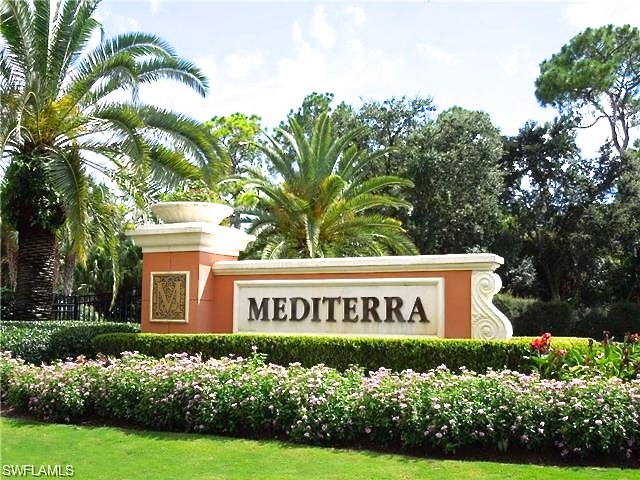
Mediterra Luxury Home Community - Naples, FL

 Mediterra is a luxury golf and beach community located in Naples, Florida. This exclusive community offers residents a variety of amenities, including two Tom Fazio-designed golf courses, a private beach club, tennis courts, and a state-of-the-art fitness center.


Jenn Gregory Bonita Springs Florida Realtor

One of the standout features of Mediterra is its beautiful homes. The community is home to a variety of custom-built estate homes, many of which feature Mediterranean-inspired architecture and stunning views of the golf course or lake. Homes in Mediterra range in size from 2,500 square feet to over 8,000 square feet, making it a great option for both families and empty nesters.


One of the things that makes Mediterra special is the sense of community that residents enjoy. The community is made up of a variety of social clubs and groups, including a women's club, a men's club, and a book club, so there is always something to do and people to meet.


The location of Mediterra is also a huge draw. The community is located just minutes from the Gulf of Mexico, so residents can enjoy all the beauty and activities that the area has to offer, including world-class beaches, boating, fishing, and more. Additionally, Mediterra is just a short drive from the shops and restaurants of downtown Naples, as well as the many cultural attractions the city has to offer.


Overall, Mediterra is a fantastic community for anyone looking for a luxury lifestyle in one of the most desirable areas of Florida. With its beautiful homes, fantastic amenities, and tight-knit community, it's easy to see why so many people are choosing to call Mediterra home.

Monday, February 13, 2023

Florida Home - Termites

 Termites are a common pest problem in Florida homes. These small, winged insects feed on wood and can cause significant damage to a home's structure if left untreated.


There are two main types of termites found in Florida: subterranean and drywood. Subterranean termites live in the soil and enter homes through foundation cracks or through wood that is in contact with the ground. Drywood termites, on the other hand, live inside the wood and do not require contact with soil.


Jenn Gregory Bonita Springs Florida Realtor

Both types of termites can be difficult to detect, as they often live inside walls or other hidden areas of the home. However, there are some signs that homeowners can look for, such as small, pencil-sized holes in wood surfaces or the presence of small, dark-colored insects.


To prevent termites from infesting a home, homeowners should take steps to reduce moisture in the home and to eliminate any potential food sources for the insects. This may include fixing leaks, removing dead wood from the yard, and ensuring that the foundation of the home is in good condition.


Jenn Gregory Bonita Springs Florida Realtor

If you suspect that your home may be infested with termites, it is important to contact a professional exterminator. They will be able to determine the type of termite present in your home and develop an appropriate treatment plan. This may include the use of pesticides or other methods such as baiting or heat treatment.


It's important to take care of termites as soon as possible because if left untreated it could cause significant damage to your home, not only that but it could also be costly to repair. So, be vigilant and take necessary steps to ensure the safety of your home from termite infestation.

Friday, February 10, 2023

8 things you need to know before buying a home in Florida


Jenn Gregory Bonita Springs Florida Realtor

Before buying a home in Florida, you should consider these 8 factors:

  1. The location of the property and its proximity to schools, shopping, and other amenities

  2. The condition of the property and any potential repairs or renovations that may be needed

  3. The cost of homeowners insurance, which can be higher in certain parts of Florida due to the risk of hurricanes and other natural disasters

  4. The local real estate market and whether it is a buyer's or seller's market

  5. The overall cost of living in the area

  6. The flood zone of the property and whether flood insurance is required

  7. If the property you are interested in buying is in a HOA (Home Owners Association) and the fee associated with that

  8. The property taxes in the area, which can vary depending on the location and value of the property.

It is also a good idea to call me for a consultation about the local market. I can help you navigate the home-buying process in Florida.

Monday, February 6, 2023

What is Chinese drywall?

Jenn Gregory Bonita Springs Florida Realtor

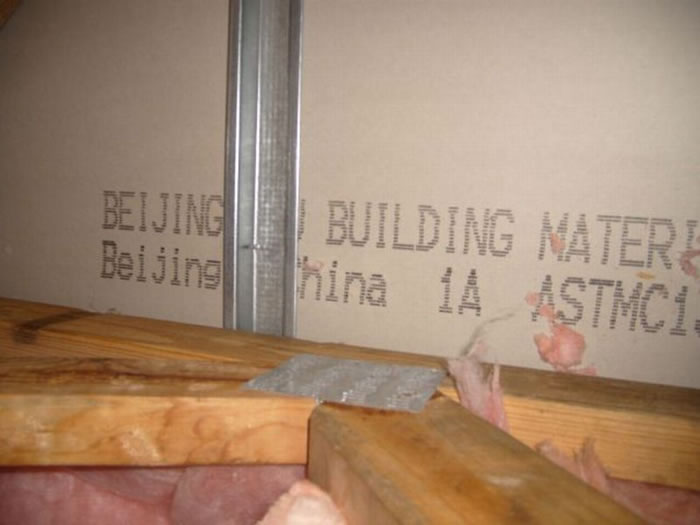
 Chinese drywall is a type of drywall that was imported to the United States from China between 2001 and 2009. It is believed to have been used in the construction of over 500,000 homes, mostly in the southern United States. However, it has since been found to have a number of issues that can lead to significant problems for homeowners.


One of the main issues with Chinese drywall is that it can emit a strong, sulfurous odor. This can cause a variety of health problems, including respiratory issues, headaches, and eye and throat irritation. Additionally, the sulfur gases can corrode metal surfaces in the home, including air conditioning coils, electrical wiring, and appliances.


Jenn Gregory Bonita Springs Florida Realtor

Another issue with Chinese drywall is that it can release hydrogen sulfide gas, which can cause a blackening or discoloration of copper surfaces, including electrical wiring, plumbing, and appliances. This can lead to costly repairs and replacements.


If you suspect that your home has Chinese drywall, it is important to have it inspected by a professional. If the drywall is found to be in poor condition, it may need to be removed and replaced to prevent potential damage to your home and health hazards.

Friday, February 3, 2023

What is polybutylene?

Jenn Gregory Bonita Springs Realtor

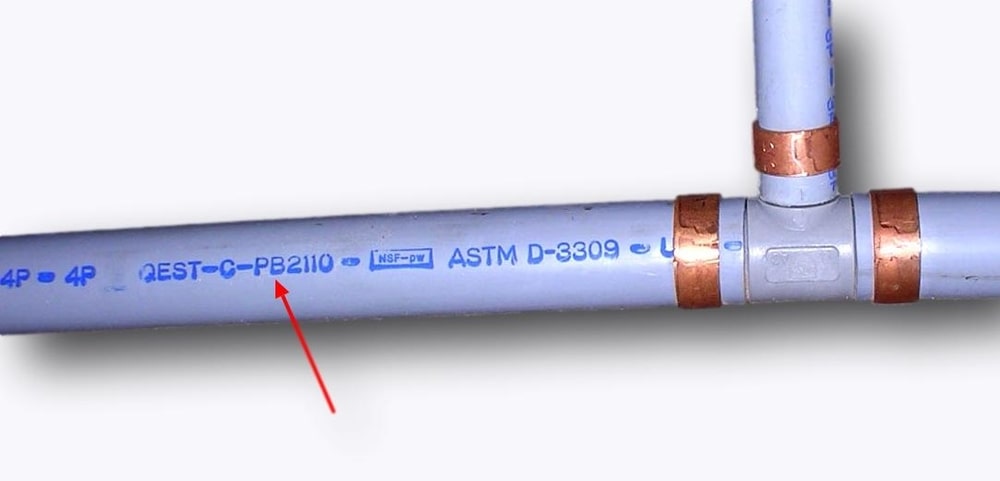
 Polybutylene is a type of plastic piping that was commonly used in residential plumbing systems between 1978 and 1995. However, it has since been found to have a number of issues that can lead to significant problems for homeowners.


One of the main issues with polybutylene piping is that it is prone to cracking and breaking. This can lead to leaks and water damage in the home, which can be costly to repair. Additionally, the plastic can become brittle over time, which can cause it to break more easily.


Another issue with polybutylene piping is that it can become clogged with minerals from the water supply, which can restrict the flow of water and lead to low water pressure. This can also cause damage to appliances and fixtures that rely on a steady flow of water.


Jenn Gregory Bonita Springs Realtor

If you suspect that your home has polybutylene piping, it is important to have it inspected by a professional plumber. If the piping is found to be in poor condition, it may need to be replaced to prevent potential damage to your home.


It's also worth noting that most insurance companies won't cover the damages caused by polybutylene pipes, so it's a good idea to have it checked and replaced if necessary.


In conclusion, polybutylene piping is a material that was commonly used in residential plumbing systems, but it has since been found to have a number of issues that can lead to significant problems for homeowners. If you suspect that your home has polybutylene piping, it is important to have it inspected by a professional plumber and replaced if necessary to prevent potential damage to your home.

Sunday, January 29, 2023

8 things to consider before purchasing a second home

Jenn Gregory Bonita Springs Realtor


 When purchasing a second home, you should consider the following:


1. Financing: You will need to decide whether to pay cash or finance the purchase. If you choose to finance, you will need to determine what type of loan is best for you.


2. Location: Consider the location of the property and whether it will be used as a vacation home or as a rental property.


3. Property condition: Have the property inspected to ensure that it is in good condition and that any repairs or renovations needed are identified.


4. Insurance: Make sure you have the right insurance coverage for your second home.


5. Tax implications: Be aware of the tax implications of owning a second home, including property taxes and income taxes if you rent out the property.


6. Maintenance costs: Be prepared for ongoing maintenance and repair costs.


7. Zoning and regulations: Understand any zoning laws and regulations that may affect the use of your property.


8. When you are ready to dive into owning a second home, give me a call at (239)383-3800

2025 Market predictions for Southwest Florida

What to Expect from Mortgage Rates and Home Prices in Southwest Florida in 2025 As we look ahead to 2025, many are wondering where the housi...